 Save to Pinterest
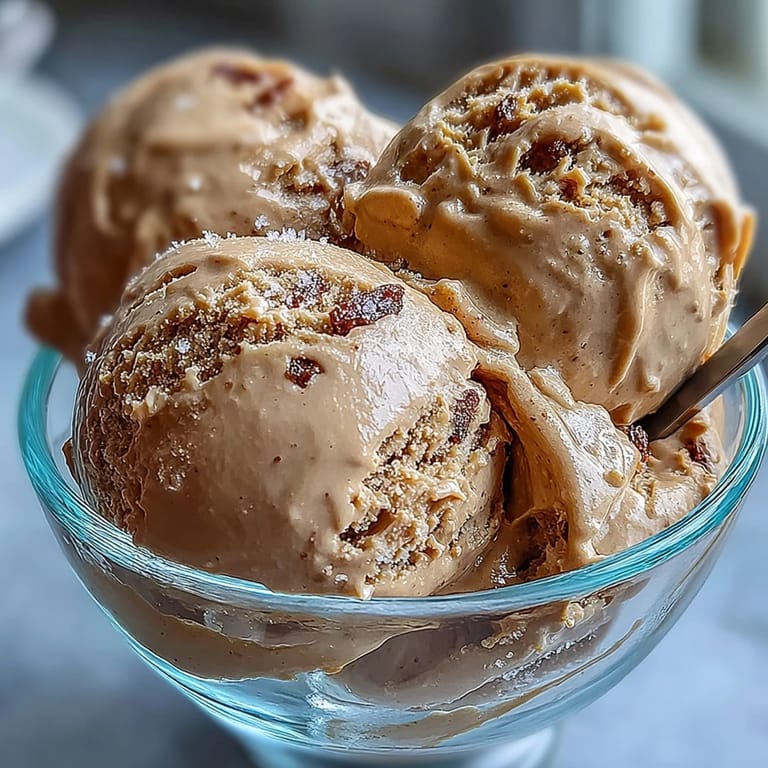
 I discovered hojicha ice cream during a sweltering Tokyo summer, when my host family served it as a palate cleanser after a particularly rich meal. The earthy, caramel notes of the roasted tea felt like such a sophisticated departure from the vanilla and chocolate I grew up with, and I spent the rest of that trip hunting down the best versions across the city.
Last autumn, I made a batch for a dinner party where half the guests had never heard of hojicha before. Watching their faces light up with curiosity as they took that first scoop, followed by that moment of recognition where they completely understood why this flavor works so beautifully in ice cream form, reminded me why I love sharing unexpected flavors with people.
Ingredients
- Heavy cream: This provides the luxurious, velvety base that carries the hojicha flavor so wonderfully, and I learned the hard way that trying to substitute with lower fat options just does not give you that same creamy mouthfeel
- Whole milk: Balances out the heavy cream while still contributing richness, and using anything less than whole milk will affect how smoothly the custard sets
- Hojicha loose leaf tea: The star of the show, and I recommend investing in good quality loose leaf rather than tea bags because you really want those robust roasted notes to come through
- Egg yolks: These create that classic French custard base that makes the ice cream so silky and helps it stay scoopable straight from the freezer
- Granulated sugar: Not just for sweetness, but sugar actually lowers the freezing point which keeps your ice cream from turning into a solid block
- Fine sea salt: Just a pinch wakes up all the flavors and makes the hojicha taste more vibrant, not salty
Tired of Takeout? 🥡
Get 10 meals you can make faster than delivery arrives. Seriously.
One email. No spam. Unsubscribe anytime.
Instructions
- Steep the cream:
- Combine the milk and heavy cream in a saucepan over medium heat, watching carefully until you see steam rising but before it starts bubbling, then stir in the hojicha and let it gently infuse on low heat for about 10 minutes to really pull out those roasted flavors
- Strain and return:
- Pour the mixture through a fine mesh sieve, pressing down on the tea leaves to extract every bit of flavor, then return the beautifully fragrant infused milk back to your saucepan
- Prepare the yolks:
- Whisk together your egg yolks, sugar, and salt until the mixture turns a pale yellow color and thickens slightly, which usually takes about 2 to 3 minutes of vigorous whisking
- Temper the eggs:
- Slowly pour about one cup of the warm hojicha milk into the yolks while whisking constantly, then pour that warmed yolk mixture back into the saucepan with the remaining milk
- Cook the custard:
- Stir constantly over low heat with a wooden spoon until the custard coats the back of the spoon and holds a line when you run your finger through it, which happens around 170 to 175 degrees Fahrenheit
- Chill thoroughly:
- Strain the custard into a clean bowl and refrigerate for at least 4 hours, though overnight is even better for allowing the flavors to really develop and meld together
- Churn and freeze:
- Process in your ice cream maker according to the manufacturers instructions, then transfer to an airtight container and freeze for at least 2 hours to let it firm up to that perfect scoopable consistency
 Save to Pinterest
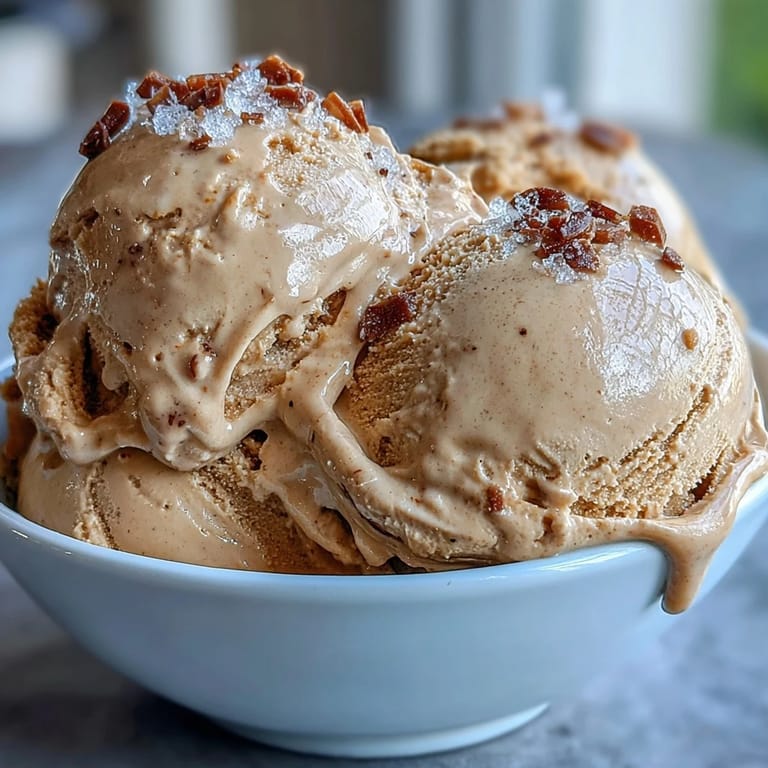
 This recipe has become my go to when I want to serve something that feels special and thoughtful without being overly fussy or pretentious. There is something about that roasted tea flavor that makes people slow down and really savor each spoonful.
Getting the Right Texture
The key to restaurant quality ice cream at home is making sure your custard base is completely cold before churning. I like to chill mine overnight because it not only improves the texture but also allows the hojicha flavor to deepen and become more pronounced.
Serving Suggestions
Sometimes I serve this simply on its own in pretty bowls, but it is also extraordinary alongside a slice of lighter cake or as part of a dessert plate with fresh fruit. The earthy notes pair surprisingly well with stone fruits like peaches or plums.
Making It Your Own
While I love the pure hojicha flavor, there are ways to customize this recipe while still respecting its Japanese roots. A tiny pinch of cinnamon in the custard base adds warmth, or you could fold in some toasted black sesame seeds during the last minute of churning for a nutty crunch.
- Try adding a drop of vanilla extract to round out the flavor profile
- A sprinkle of matcha powder on top creates a beautiful two toned presentation
- Serve with sweet red bean paste for a truly authentic Japanese dessert experience
 Save to Pinterest
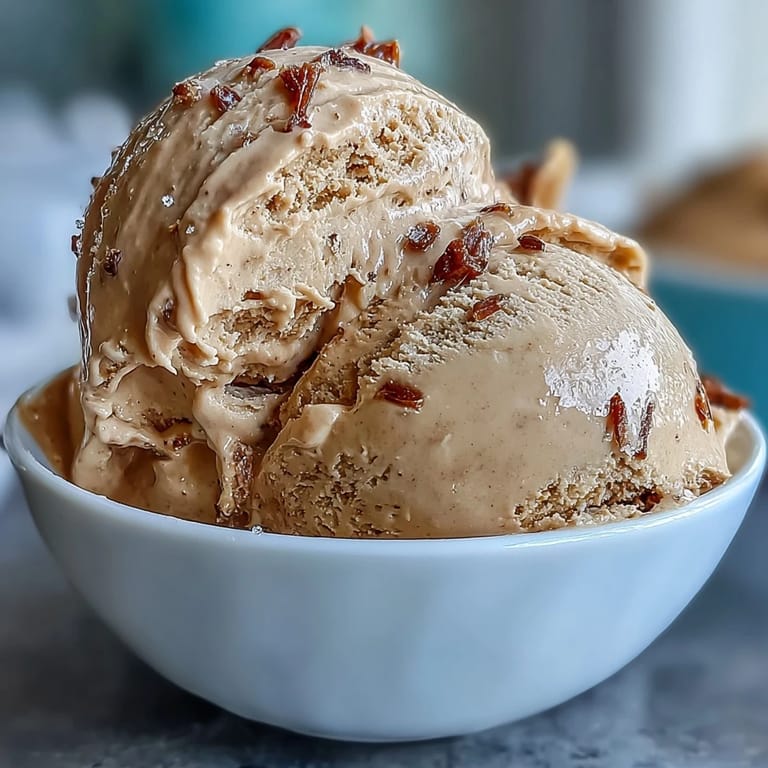
 There is something deeply satisfying about scooping out that first serving of homemade ice cream you have patiently waited for, especially when it is a flavor as unique and lovely as hojicha.
Recipe Questions & Answers
- → What does hojicha taste like?
Hojicha has a distinctive roasted, nutty flavor with caramel-like notes. Unlike fresh green tea, it's lower in tannins and has a milder, sweeter profile that pairs beautifully with dairy.
- → Can I make this without an ice cream maker?
Yes. Pour the chilled custard into a shallow container and freeze for 3-4 hours, stirring vigorously every 30 minutes to break up ice crystals until smooth and creamy.
- → How long does this keep in the freezer?
Stored in an airtight container, this maintains best quality for 1-2 weeks. For optimal texture, let soften 5-10 minutes before scooping.
- → What's the difference between hojicha and matcha?
Matcha is ground young green tea leaves with vibrant grassy notes, while hojicha consists of roasted stems and leaves, resulting in a darker, earthier, less astringent flavor.
- → Can I substitute other teas?
Yes! This method works beautifully with Earl Grey for a London fog version, chai spices, or genmaicha for extra roasted rice flavor. Adjust steeping time accordingly.