 Save to Pinterest
 The first time I encountered hojicha panna cotta was at this tiny omakase counter in Tokyo where the chef served it in a ceramic cup no larger than my palm. I was already completely full from eight courses of seafood, but something about those deep, roasted notes cutting through the silky cream made me abandon all pretense of restraint. That wobble against the spoon, that gentle tea fragrance rising up—I went home and obsessed over recreating it for weeks. Now it is the one dessert I can make without even glancing at a recipe card.
Last autumn I served these at a dinner party where the conversation had drifted to everyone's childhood comfort foods. The table went completely silent when those cups hit the table, and my friend Sarah actually said she wanted to bury her face in it. There is something so soothing about that roasted tea flavor wrapped in all that velvet—its like being hugged by dessert.
Ingredients
- Heavy cream: Do not be tempted to swap this entirely for milk—the fat content is what carries the hojicha flavor and creates that luxurious mouthfeel
- Whole milk: Lightens the texture just enough so the panna cotta feels delicate rather than overwhelming on the palate
- Granulated sugar: Keep it at this amount because hojicha has natural bitterness and you want just enough sweetness to bridge the gap without making a dessert that tastes like sugar water
- Hojicha loose leaf tea: Loose leaves give you more surface area for steeping, but tea bags work in a pinch—just squeeze them gently with the back of a spoon to extract every bit of those roasted oils
- Powdered gelatin: This amount gives you that signature slow wobble that holds its shape but practically melts on your tongue
- Cold water: Essential for blooming the gelatin properly—use cold water straight from the tap, not room temperature
- Whipped cream: A small dollop on top adds a nice textural contrast but the panna cotta stands beautifully on its own
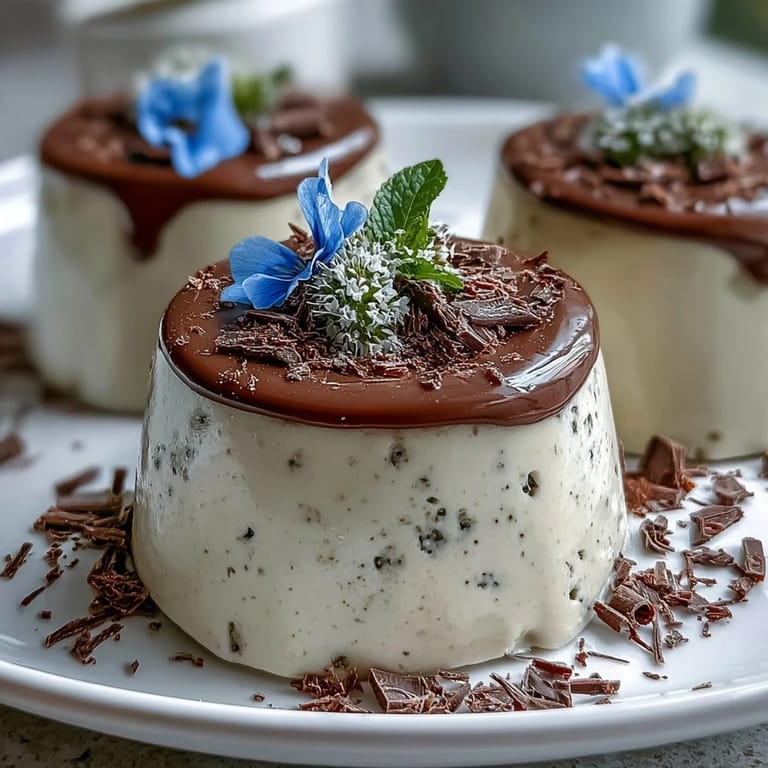
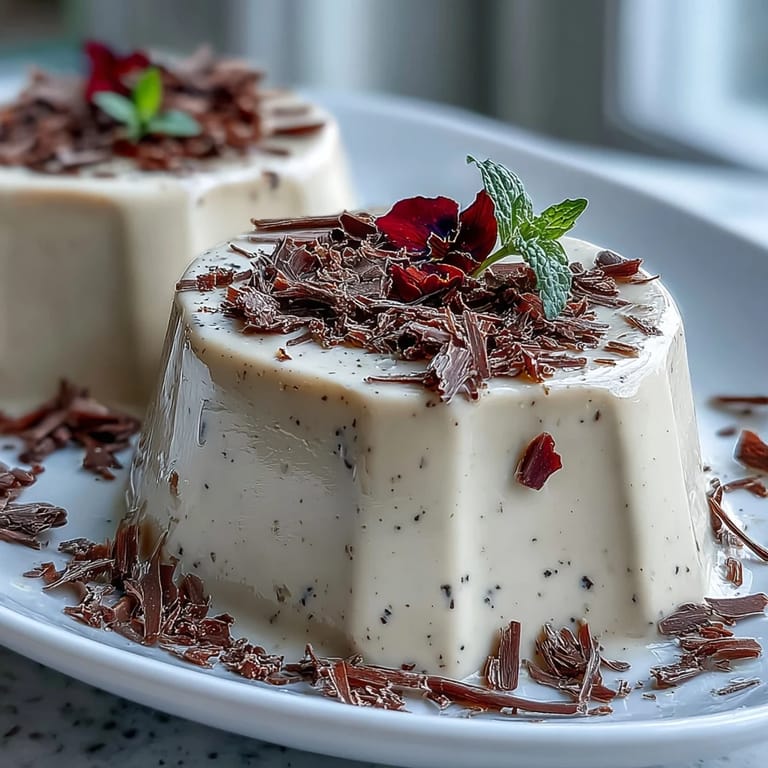
- Shaved chocolate: Dark chocolate pairs exceptionally well with the roasted notes of hojicha, creating this mocha like undertone
Tired of Takeout? 🥡
Get 10 meals you can make faster than delivery arrives. Seriously.
One email. No spam. Unsubscribe anytime.
Instructions
- Bloom your gelatin:
- Sprinkle the gelatin over the cold water in a small bowl and let it sit undisturbed until it absorbs the liquid and transforms into these soft, translucent granules that look like tiny raindrops caught in time
- Warm the dairy base:
- Combine the cream, milk and sugar in a saucepan over medium low heat, stirring occasionally until you see gentle steam rising but before bubbles begin forming at the edges
- Steep the tea:
- Remove the pan from heat immediately, stir in the hojicha and let it steep for the full time—do not rush this step as the roasted notes need time to properly infuse into the warm dairy
- Strain patiently:
- Pour everything through a fine mesh sieve into a clean bowl, pressing the leaves gently with a spoon to extract every drop of that tea scented cream, then return the strained liquid to your saucepan
- Dissolve the gelatin:
- Reheat the strained mixture just until warm again, whisk in the bloomed gelatin until it completely disappears into the liquid, and remove from heat immediately
- Portion and chill:
- Divide the mixture evenly among your serving vessels, let them cool completely at room temperature, then cover tightly and refrigerate until set with a gentle jiggle when tapped
 Save to Pinterest
 This recipe has become my go to when I need to bring something to gatherings because it travels beautifully and always prompts this moment of tablewide appreciation. My grandmother asked for the recipe after trying it, and she is notoriously particular about desserts.
Getting the Perfect Set
The difference between a panna cotta that holds its shape and one that collapses into a puddle often comes down to how thoroughly you dissolve the gelatin. Take those extra thirty seconds to whisk until the liquid looks completely uniform, with no tiny granules clinging to the whisk tines.
Tea Steeping Secrets
Longer steeping does not always mean stronger flavor with hojicha—the tannins can become bitter if you push past eight minutes. The ideal flavor extraction happens when the cream is hot enough to release the aromatic oils but not so hot that it scorches the delicate roasted compounds in the tea leaves.
Serving Suggestions
These individual portions feel special enough for dinner parties but simple enough for a Tuesday night when you need a small moment of grace at the end of a long day. A light dusting of matcha powder on top creates this beautiful color contrast.
- Pair with a cup of unsweetened hojicha on the side to amplify the roasted flavor experience
- Try serving in clear glass vessels to show off that delicate amber color the tea lends to the cream
- Make these up to two days ahead—the flavor actually develops and becomes more nuanced overnight
 Save to Pinterest
 There is something deeply satisfying about a dessert that demands so little active effort but delivers such an elegant result. Every time I pull these from the fridge, I am reminded that the best recipes are often the simplest ones done with care.
Recipe Questions & Answers
- → What makes hojicha different from other green teas?
Hojicha is roasted Japanese green tea, creating distinct toasty, nutty notes with lower caffeine content than unroasted varieties. The roasting process gives it a reddish-brown color and mellow flavor that pairs beautifully with creamy desserts.
- → Can I prepare this dessert in advance?
Absolutely. This panna cotta actually improves after chilling overnight, allowing flavors to fully develop. It keeps well in the refrigerator for up to 3 days when covered properly. Avoid freezing as it will alter the silky texture.
- → What's the best way to achieve the smoothest texture?
Strain the cream mixture twice through a fine-mesh sieve after steeping to remove all tea leaves. Ensure gelatin is fully bloomed before incorporating, and whisk gently but thoroughly to dissolve without creating air bubbles. Let it cool completely before refrigerating.
- → How do I know when the panna cotta is properly set?
After 4 hours of chilling, gently shake the ramekin. The center should have a slight wobble while the edges remain firm. If it's still liquid, continue chilling in 30-minute increments. Avoid over-chilling beyond 24 hours as the texture becomes overly firm.
- → What garnishes complement the roasted tea flavor?
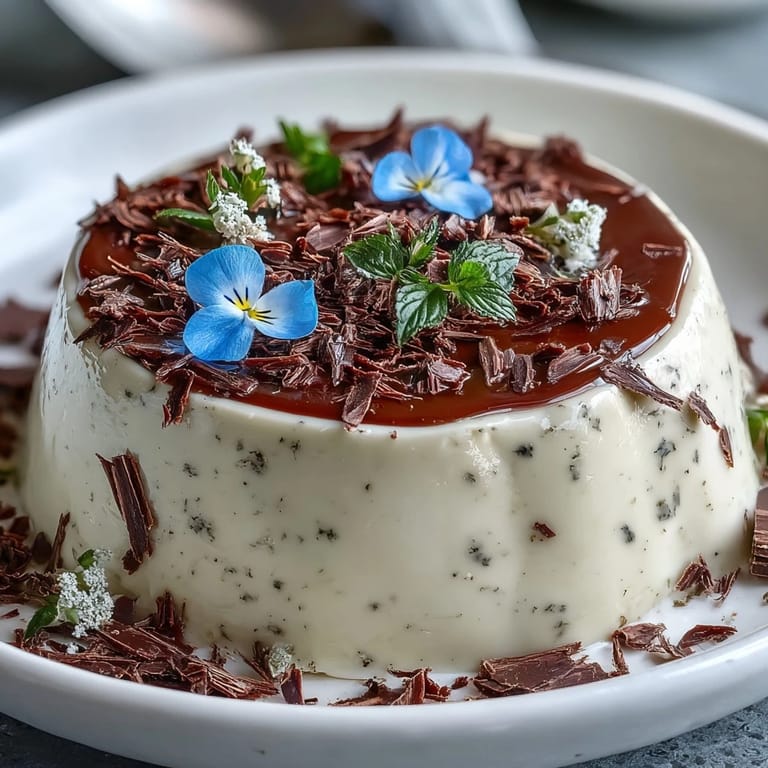
Whipped cream provides a lovely contrast, while shaved dark chocolate enhances hojicha's natural cocoa-like notes. Roasted hazelnuts, almonds, or sesame seeds echo the tea's roasted character. Fresh berries offer tart brightness against the rich cream, and edible flowers add visual elegance.
- → Can I make this vegan or dairy-free?
Replace heavy cream and whole milk with full-fat coconut cream, though this will add subtle coconut flavor. Use agar-agar powder instead of gelatin—follow package instructions as ratios differ. The texture will be slightly firmer but still delicious.