 Save to Pinterest
 There's something almost meditative about standing over a pot of simmering bone broth on a quiet morning, watching the steam rise while ginger and garlic soften into the golden liquid. I stumbled onto shirataki noodles by accident during a conversation with a friend who swore by them for staying satisfied without the carb crash, and I was skeptical until I actually tasted them properly prepared. That first bowl changed how I thought about comfort food, proving that simple ingredients and patience could create something deeply nourishing without any fuss or pretense.
My partner came home exhausted from a long shift and mentioned feeling too tired to eat, so I made this while they changed into comfortable clothes. By the time they settled at the table with a soft-boiled egg floating in that steaming bowl, their whole mood shifted, and we ended up talking for an hour over dinner instead of vegging out in silence. That's when I realized this wasn't just a meal—it was an invitation to slow down together.
Ingredients
- Bone broth (4 cups): This is your foundation, so quality matters—look for labels mentioning slow-simmered bones with minimal additives, and homemade versions will give you richer, cleaner flavor than rushed commercial ones.
- Fresh ginger (1 thumb-sized piece, sliced): Slicing rather than mincing releases the ginger gradually into the broth, creating warmth without overpowering the other flavors in the first few minutes.
- Garlic (2 cloves, smashed): Smashing keeps the cloves whole enough to remove easily later while still infusing their sweetness and depth throughout the broth.
- Soy sauce or tamari (2 tablespoons): Tamari is naturally gluten-free and slightly less sharp than regular soy sauce, making it worth the swap if you're sensitive or cooking for others with dietary needs.
- Rice vinegar (1 tablespoon): Just enough acid to brighten the broth and balance the richness of the bone marrow without making the dish taste tangy or sour.
- Sesame oil (1 teaspoon): A teaspoon is all you need—this stuff is potent, and it adds an unmistakable aromatic nuttiness that rounds out every other flavor in the bowl.
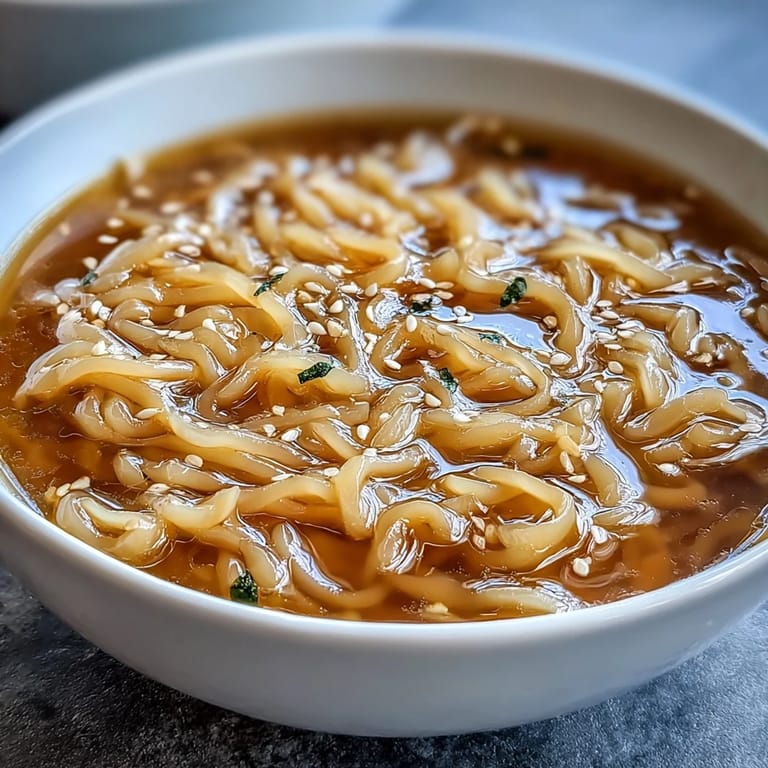
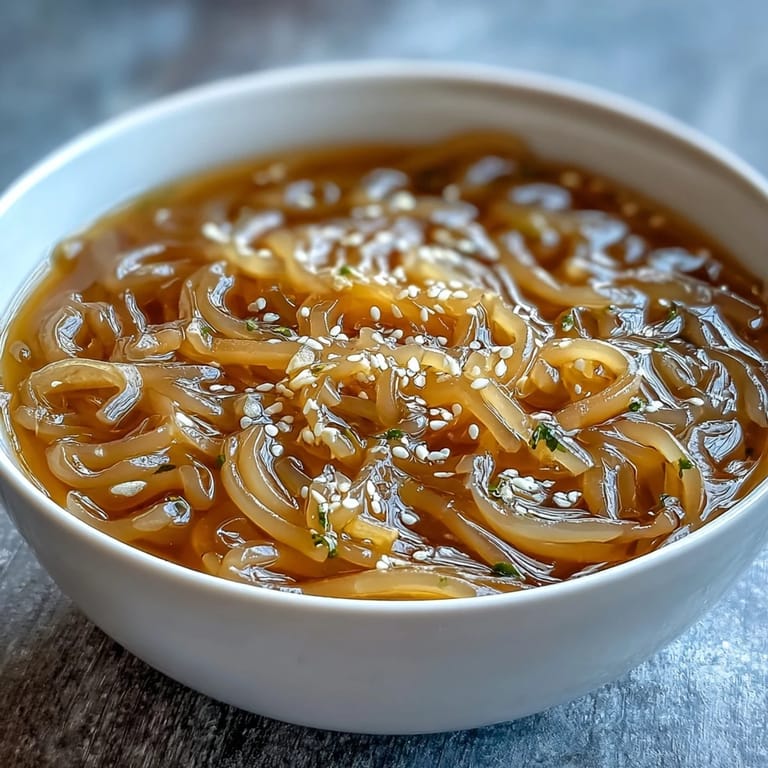
- Shirataki noodles (400 g): Rinsing thoroughly removes the rubbery smell they're notorious for, and the quick dunk in boiling water finishes what rinsing starts, leaving you with clean, neutral noodles ready to absorb the broth.
- Soft-boiled eggs (2), spring onion, red chili, fresh herbs, and sesame seeds: These toppings aren't mandatory, but they add texture, freshness, and visual contrast that transform a simple bowl into something you actually want to photograph and share.
Tired of Takeout? 🥡
Get 10 meals you can make faster than delivery arrives. Seriously.
One email. No spam. Unsubscribe anytime.
Instructions
- Build Your Broth Foundation:
- Pour your bone broth into a medium pot and add the sliced ginger, smashed garlic cloves, soy sauce, rice vinegar, and sesame oil, then place it over medium heat. You want it to come to a gentle boil—not a rolling one that will evaporate your liquid too quickly—so watch for that first moment when tiny bubbles start breaking the surface continuously.
- Let the Flavors Marry:
- Reduce the heat to low and let everything simmer untouched for 10 minutes while you prep the noodles and any toppings you're adding. This waiting period is crucial because the ginger and garlic need time to release their oils and flavors into the broth in a gentle, unhurried way.
- Rescue Your Noodles from Their Smell:
- Drain the shirataki noodles thoroughly in a sieve, then run them under cold water while working them gently with your fingers—this removes much of the preserving liquid they come packed in. Boil a kettle of water and pour it slowly over the noodles while they're still in the sieve, and you'll actually see and smell the difference this step makes.
- Bring It All Together:
- Add the prepared noodles directly to your simmering broth and let them warm through for 2 to 3 minutes, stirring gently to ensure they're fully submerged and evenly heated. The noodles won't absorb flavor the way wheat pasta does, so they're really just there for texture and substance alongside the broth itself.
- Clean Up the Broth:
- Fish out the ginger and garlic slices with a slotted spoon or small strainer and discard them—they've already given the broth what they have to offer. If you leave them in, they'll continue to intensify the flavors and might overwhelm the balance you've created.
- Divide and Dress:
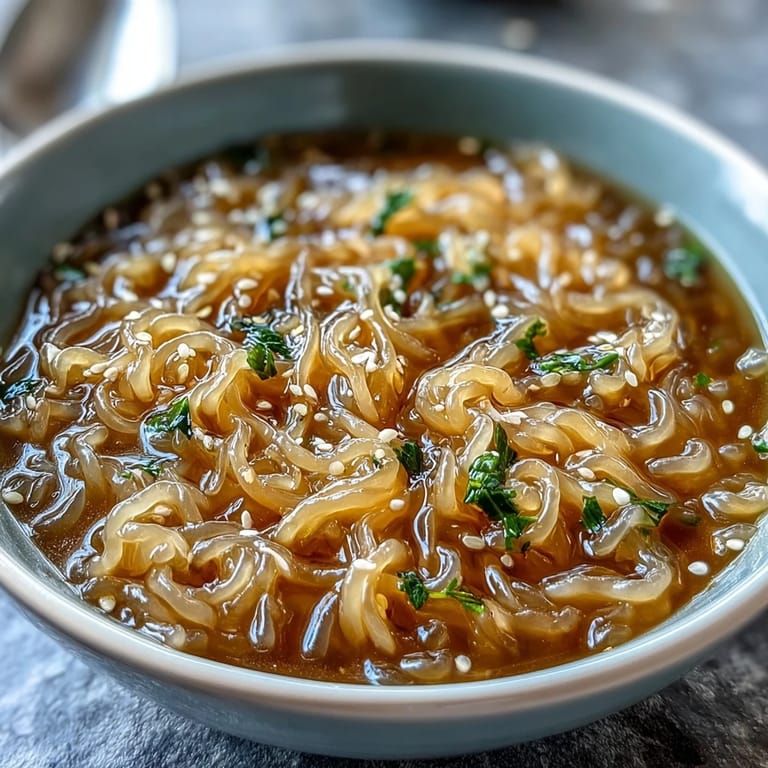
- Ladle the noodles and broth evenly into two bowls, then arrange your chosen toppings artfully on top—the soft-boiled egg halves, thin ribbons of spring onion, fiery chili slices, a scatter of fresh herbs, and a pinch of sesame seeds. Let everyone customize their own bowl if you're cooking for others, because what makes this dish special is that it welcomes individual preference without losing its essential character.
 Save to Pinterest
 There was a night when a friend mentioned they were avoiding carbs for health reasons and felt isolated from food, so I made this without telling them what it was. Watching their face light up when they realized they could have a warm, satisfying noodle bowl that fit their needs—that's when I understood why this recipe sits in my regular rotation now. Food that meets people where they are, without sacrifice or compromise, is food that actually nourishes.
Why Bone Broth Makes All the Difference
Store-bought bone broth quality varies wildly, and using a subpar one is like trying to build a house on shaky foundations—the whole dish suffers silently. I learned this the hard way after grabbing whatever was on sale, only to serve something that tasted thin and vaguely off, and now I specifically seek out brands that list only bones, water, and salt on the ingredients label. Homemade broth is even better if you have the time, but understanding that some store-bought options genuinely deserve premium pricing will change how you approach this dish.
Playing with Protein Additions
The soft-boiled egg is traditional and adds richness, but this bowl becomes infinitely more interesting when you consider shredded rotisserie chicken, silken tofu cubes, or even thinly sliced raw fish if you're feeling adventurous. I've made this vegetarian for friends by swapping the bone broth for a deeply simmered mushroom and kombu stock, and it lost nothing in translation—it just became something different but equally satisfying. The beauty of this recipe is that it's a framework, not a rigid instruction, which means you can build it to match exactly what your body and palate need on any given day.
Temperature, Timing, and the Art of Not Overthinking
The entire cooking process is forgiving because there's not much that can actually go wrong—the noodles can't overcook since they're already gelatinized, and the broth just gets more flavorful if you accidentally let it simmer a few minutes longer than planned. The only real mistake I've made is overcrowding the toppings and losing sight of the noodles underneath, turning a clean, elegant bowl into a chaotic pile where nothing gets seasoned evenly. Remember that simplicity is the point here, so trust the restraint.
- If you're making this ahead, store the broth and noodles separately and combine only when ready to serve so the noodles don't absorb too much liquid and become mushy.
- Cold shirataki noodles can be interesting in a chilled broth version during hot weather, though you'll want to adjust seasoning since cold temperatures mute flavors slightly.
- Leftovers keep for 3 days refrigerated, and reheating gently over low heat preserves the delicate texture better than aggressive microwaving.
 Save to Pinterest
 This bowl has become my go-to when I need comfort without heaviness, and that's a rare thing to find in cooking. It's taught me that sometimes the best meals are the ones that honor simplicity and stillness instead of fighting against them.
Recipe Questions & Answers
- → Do shirataki noodles have a taste?
Shirataki noodles have a very mild, neutral taste on their own. They absorb the flavors of whatever broth or sauce they're cooked in, making them perfect for this aromatic bone broth preparation.
- → How do I prepare shirataki noodles properly?
Drain and rinse the noodles thoroughly under cold water, then pour boiling water over them in a sieve. This removes any natural odor and ensures the noodles will absorb the savory broth flavors.
- → Can I make this vegetarian?
Yes, simply substitute the bone broth with a rich vegetable broth and skip the eggs or replace them with marinated tofu for plant-based protein.
- → What type of broth works best?
High-quality beef or chicken bone broth provides the deepest flavor. Look for brands with no added sugar or make your own at home for the most nourishing results.
- → How can I add more protein?
Shred cooked chicken breast, add sliced tofu, or include extra soft-boiled eggs. The broth itself also provides protein from the bone broth base.
- → Can I meal prep this dish?
The broth can be made ahead and stored for up to 5 days. Add freshly rinsed noodles when reheating, and store toppings separately to maintain texture.