 Save to Pinterest
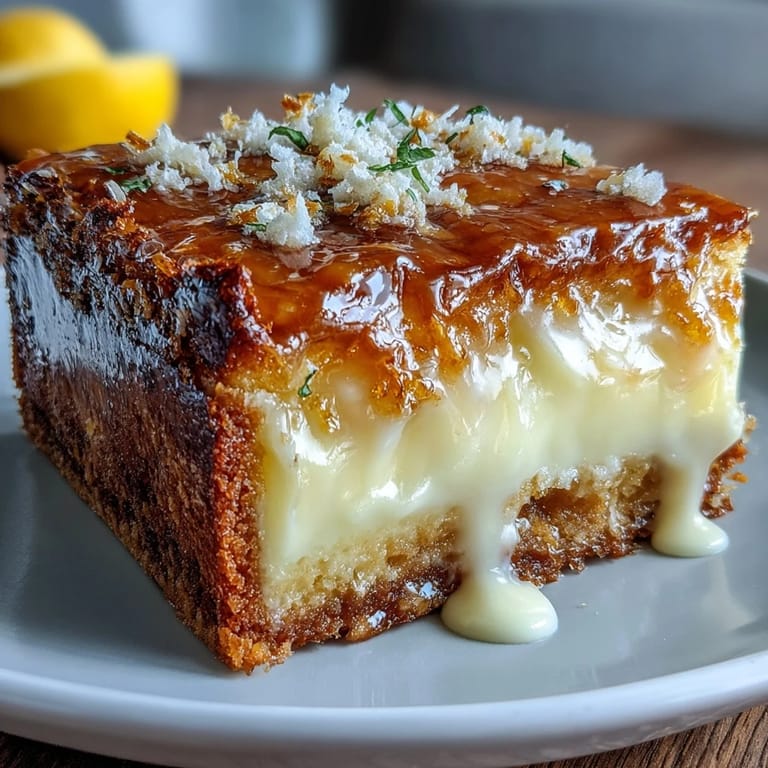
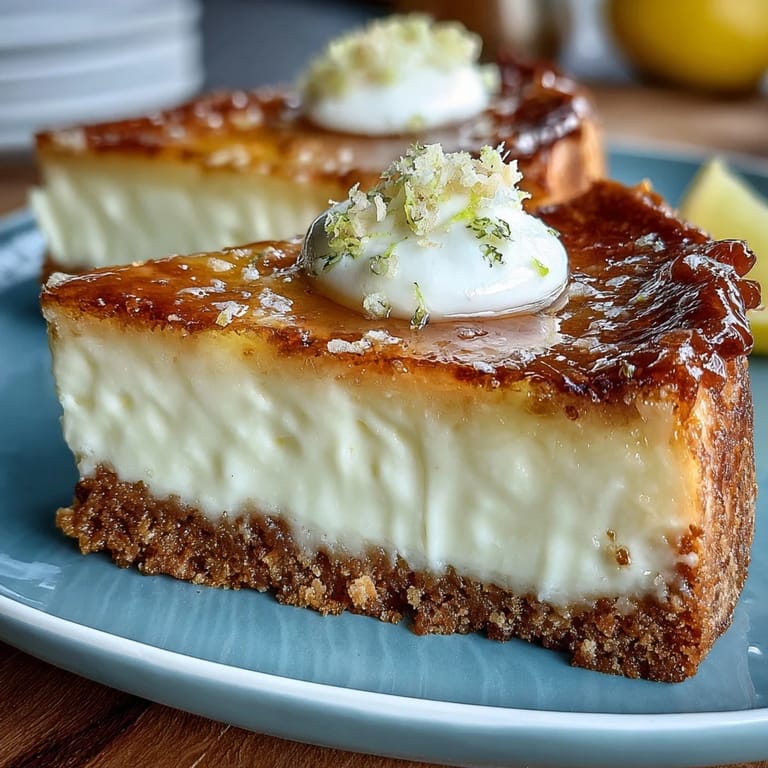
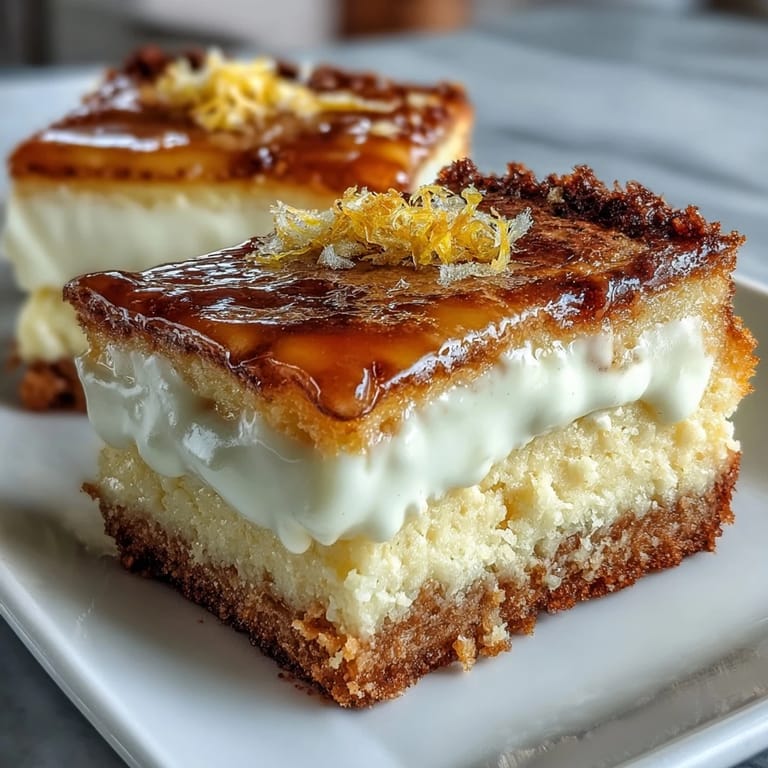
 There's something about the way a lemon tart catches the light that makes you understand why the French obsess over dessert. I discovered this particular version on a cloudy afternoon when a friend insisted that brightness could be baked into pastry, that butter and citrus had some kind of culinary conversation I'd been missing. The first slice I cut released this almost audible sigh of buttery richness meeting sharp, clean acidity, and suddenly spring felt achievable even in the middle of winter.
I made this for my sister's book club last spring, and what I remember isn't the compliments—though there were plenty—but how everyone went quiet for a moment after the first bite, like they were processing something. One guest asked if I'd added cardamom because the flavor felt both familiar and completely surprising, which is exactly what happens when lemon and butter truly understand each other.
Ingredients
- All-purpose flour (1 1/4 cups): Use the weight measurement if you have a scale; it keeps the crust tender and prevents the dense, tough texture that comes from overmeasuring.
- Unsalted butter, cold and cubed (1/2 cup for crust): Cold is non-negotiable here—warm butter turns the crust into a greasy mess instead of those delicate, shattered layers you're after.
- Powdered sugar (1/4 cup): Adds subtle sweetness to the crust without making it taste like cake, and it dissolves faster than granulated sugar during mixing.
- Fine sea salt (1/4 tsp): Magnifies every other flavor without announcing itself, which is the whole secret of French pastry.
- Egg yolk (1 large): Binds the dough with richness and helps create that golden finish you want.
- Ice water (2–3 tbsp): Add it cold and sparingly—you're building structure, not soup.
- Eggs and egg yolks for filling (3 large eggs plus 2 large yolks): The yolks create silky richness while the whole eggs provide structure; don't skip either.
- Granulated sugar (1 cup): Sweetness here balances the lemon punch without drowning it, so resist the urge to add more unless you genuinely love syrupy desserts.
- Freshly squeezed lemon juice (2/3 cup): Store-bought tastes flat and faintly plastic—fresh lemons are worth the extra minute of squeezing.
- Lemon zest (2 tsp, finely grated): Grate it fresh and fine; the oils in the zest carry flavor that bottled versions abandoned years ago.
- Melted butter for filling (1/2 cup): Cool it slightly before mixing so it doesn't scramble the eggs—a lesson learned the messy way.
Tired of Takeout? 🥡
Get 10 meals you can make faster than delivery arrives. Seriously.
One email. No spam. Unsubscribe anytime.
Instructions
- Build the crust foundation:
- Pulse flour, powdered sugar, and salt in a food processor until they feel like fine sand, then add your cold butter cubes and pulse until the mixture looks like coarse breadcrumbs with some pea-sized pieces remaining. This texture is what gives you that shattered, delicate crust everyone loves—over-process it and you've made butter paste instead of pastry.
- Bring the dough together:
- Add the egg yolk and 2 tablespoons of ice water, pulsing gently until the dough just barely holds together when you pinch it; if it's still crumbly, add water one teaspoon at a time. The dough will feel shaggy and almost reluctant—that's exactly right, and you'll be amazed how it transforms on the counter.
- Rest the dough:
- Turn it onto a lightly floured surface, gently press it into a disk without overworking it, wrap it in plastic, and chill for at least 30 minutes if you have the time. This resting period lets the gluten relax and helps the crust stay flaky instead of shrinking during baking.
- Shape and blind bake:
- Roll the dough out to about 1/8-inch thickness and fit it into your tart pan, pressing gently into corners and trimming the overhang with a sharp knife. Prick the base all over with a fork, line it with parchment, fill with baking weights or dried beans, and bake at 350°F for 15 minutes until set but still pale, then remove the weights and bake another 10 minutes until the edges turn light golden.
- Create the silky filling:
- Whisk together your eggs, yolks, sugar, fresh lemon juice, lemon zest, slightly cooled melted butter, and a pinch of salt in a large bowl until completely smooth and pale. The whisking takes longer than you think it should, but this is where you're incorporating air and ensuring even cooking, so don't rush it.
- Fill and set:
- Pour the filling into your warm crust and bake for 20–25 minutes—the center should jiggle just slightly when you shake the pan gently, like it's barely set but not liquid. This slight wobble is what keeps the filling creamy rather than rubbery, so resist the urge to bake it longer even though your instinct says it needs more time.
- Cool with patience:
- Let the tart cool completely on a wire rack to room temperature, then refrigerate for at least 2 hours before slicing—the filling firms up beautifully during chilling and slices cleanly. Cutting it warm is tempting and will result in filling running everywhere, which tastes good but looks like you've lost control of the situation.
- Finish with elegance:
- Dust generously with powdered sugar right before serving, add thin lemon wheels or fresh berries if you want to look fancy, and serve at cool room temperature for the best flavor and texture.
 Save to Pinterest
 There was this one moment when I served this tart to someone who'd been having a genuinely terrible week, and watching their expression shift from tired to actually present felt like I'd done something that mattered. That's when I realized this dessert isn't really about impressing people—it's about offering them something bright and elegant when they need it most.
The Art of the Buttery Crust
The crust is where confidence gets built or destroyed. I've made versions where I cut the butter in by hand with a pastry blender, which takes longer but teaches your hands what "coarse crumbs" actually feels like, and it changes how you approach the recipe from then on. The moment your fingertips can feel those butter pieces still present in the flour mixture is the moment you know you haven't overdone it, and that knowledge transfers to every other pastry you make afterward.
Why Fresh Lemon Matters Here
Bottled lemon juice tastes like it's forgotten what actual lemon tasted like—it's become muted and slightly bitter from sitting in a plastic bottle. When you squeeze fresh lemons, especially if you roll them on the counter first to break the cells and release more juice, you get this brightness that completely transforms the filling from merely sweet-sour to genuinely alive. The difference between a good lemon tart and a forgettable one often comes down to this single choice.
Serving and Pairing Perfection
This tart is equally at home on a spring afternoon with tea or as the grand finale to a dinner party, and it holds in the refrigerator for two days without losing character. The custard filling stays creamy, the crust maintains its crisp texture, and the flavors actually deepen slightly as it sits, making it perfect for advance preparation. If you want to elevate it further, serve alongside unsweetened whipped cream or crème fraîche, which softens the acidity and adds a cooling contrast.
- A glass of Sauternes or sparkling wine complements this tart so perfectly it almost feels like they were made for each other.
- For variations, you can substitute up to half of the lemon juice with blood orange or lime juice without losing the essential character of the dessert.
- Store the finished tart covered loosely in the refrigerator, and slice with a hot, dry knife for clean cuts that actually look intentional.
 Save to Pinterest
 Make this tart when you want to remember why you bothered learning to cook in the first place. It's elegant without being fussy, bright without being harsh, and it always tastes like you knew exactly what you were doing.
Recipe Questions & Answers
- → How do I ensure a crisp buttery crust?
Use cold butter cut into the flour and pulse quickly to form coarse crumbs. Chilling the dough before baking helps maintain flakiness and crispness.
- → Can I substitute lemon with other citrus fruits?
Yes, blood orange or lime juice can replace lemon for varied citrus flavors while retaining brightness.
- → What is the key to a smooth lemon filling?
Whisk eggs, sugar, lemon juice, zest, and melted butter thoroughly until smooth, then bake until just set but still slightly wobbly.
- → How long should the tart chill before serving?
Chill the tart in the refrigerator for at least 2 hours to allow the filling to fully set and flavors to meld.
- → What garnishes complement this lemon tart?
Dusting with powdered sugar, thin lemon wheels, fresh berries, or mint leaves add elegance and freshness.