 Save to Pinterest
 There's something about the smell of turmeric hitting a hot oven that makes me stop whatever I'm doing and just breathe it in. A friend once brought this golden-roasted vegetable dish to a potluck on a gray November afternoon, and it was the first thing that disappeared from the table. I asked for her method, expecting something complicated, but she laughed and said it was pure simplicity: good vegetables, warm spices, and patience. That day changed how I thought about side dishes entirely.
I made this for my partner during a particularly stressful work week, and watching them light up over roasted broccoli felt oddly significant. We sat at the kitchen counter eating them still warm, and somehow the conversation shifted from work stress to better things. It's funny how food does that—transforms a moment without asking permission.
Ingredients
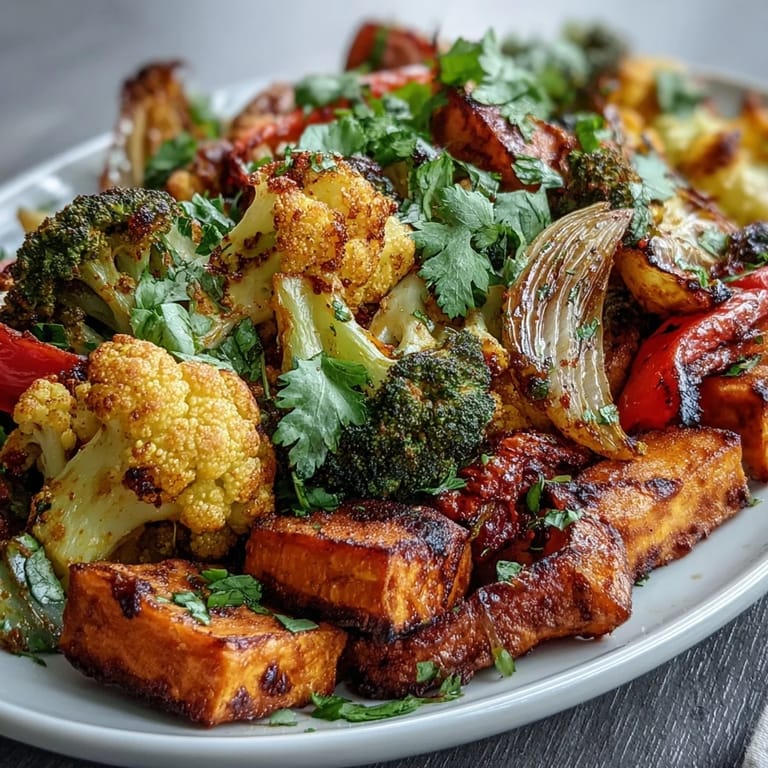
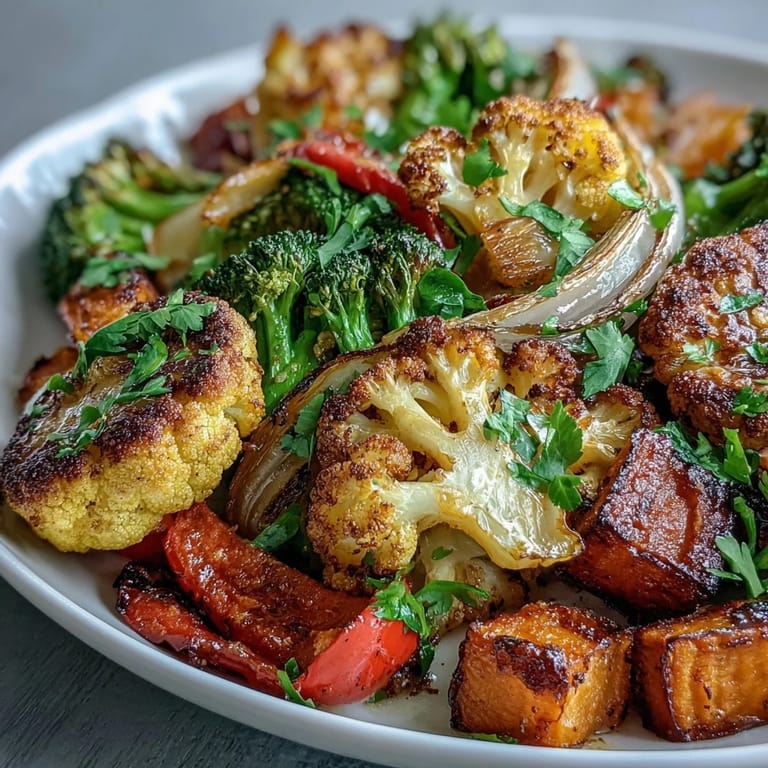
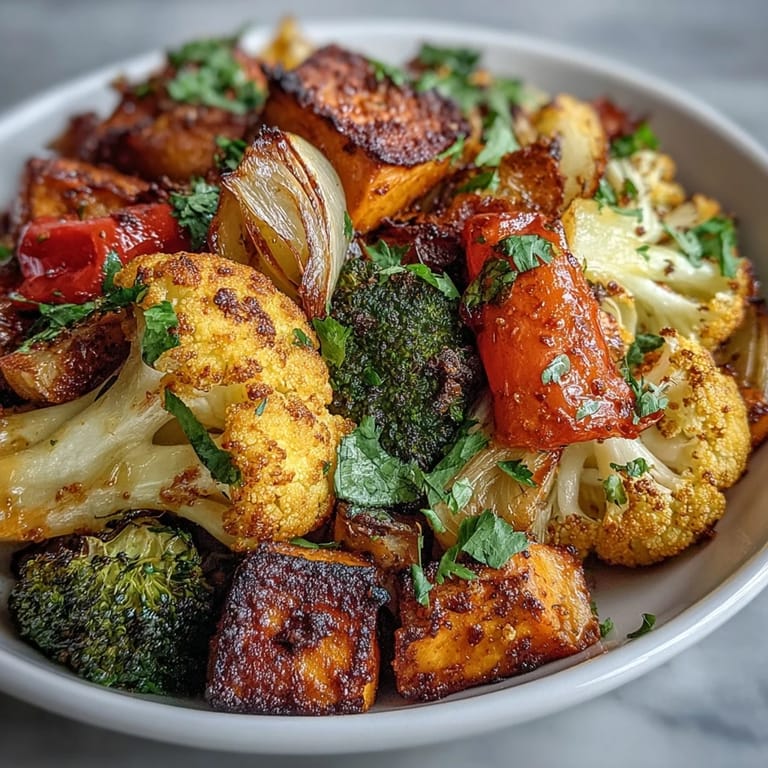
- Cauliflower and broccoli florets: These create the foundation of the dish, soaking up spices beautifully while developing those golden, slightly charred edges that make them irresistible.
- Sweet potato and carrots: Natural sweetness balances the earthiness of the spices, and their density means they caramelize rather than dry out during roasting.
- Red bell pepper and red onion: These add color, slight sweetness, and a bit of sharpness that keeps everything from feeling one-note.
- Extra-virgin olive oil: Use the good stuff here—it carries the spices and prevents sticking while helping vegetables achieve that coveted crispness.
- Ground turmeric: The star ingredient with powerful anti-inflammatory properties; its earthy, slightly bitter warmth is what makes this dish feel like medicine wrapped in flavor.
- Cumin, coriander, and smoked paprika: This trio adds depth and a subtle smokiness that makes people ask what the secret ingredient is.
- Sea salt and black pepper: Don't skip proper seasoning—it's what brings every flavor into focus and makes the turmeric sing.
- Lemon juice and fresh herbs: These finishing touches brighten everything and cut through the richness with a fresh, clean note.
Tired of Takeout? 🥡
Get 10 meals you can make faster than delivery arrives. Seriously.
One email. No spam. Unsubscribe anytime.
Instructions
- Get your oven ready:
- Preheat to 425°F and line a baking sheet with parchment paper so nothing sticks and cleanup feels effortless.
- Prepare your vegetables:
- Cut everything into roughly similar sizes so they roast evenly; uneven pieces mean some will burn while others stay raw.
- Make the spice coating:
- Whisk olive oil with all the spices in a small bowl, creating a fragrant paste that will cling to every piece of vegetable and distribute the anti-inflammatory benefits throughout.
- Coat thoroughly:
- Pour the spice mixture over vegetables and toss with your hands or two wooden spoons until everything is covered—this is where the magic happens.
- Spread and roast:
- Arrange vegetables in a single layer and roast for 25 to 30 minutes, stirring halfway through so they color evenly and develop those irresistible crispy edges.
- Finish with brightness:
- Once they're golden and tender, drizzle with lemon juice and scatter herbs across the top, which adds freshness and visual appeal.
 Save to Pinterest
 There was a moment when my mom, who normally picks at vegetables, came back for seconds and asked if I'd used butter. When I told her it was just turmeric and good intention, she got quiet in that way that means something clicked. That's when I realized this dish had become something more than nutrition or side dish convenience—it was proof that simple, honest food speaks its own language.
Swapping Vegetables by Season
The beauty of this recipe is how it adapts to what your market offers and what your body needs. In summer, I swap in zucchini, eggplant, and yellow squash, which get almost buttery when roasted. Winter calls for Brussels sprouts and butternut squash chunks, which caramelize into something almost dessert-like in their sweetness. Spring invites asparagus and snap peas, though these need less time—add them in the last ten minutes so they stay bright and tender.
Building a Complete Meal
These roasted vegetables want a companion that grounds them into something substantial. Quinoa absorbs the spiced oil beautifully and adds protein without heaviness. Brown rice or farro work equally well, creating a canvas that lets the turmeric flavor stay front and center. I've also spooned these over creamy coconut rice, which sounds fancy but takes no extra effort and transforms the whole plate into something that feels like restaurant food.
Why This Tastes Like Care
Turmeric has been used in healing traditions for thousands of years, and cooking with it feels like participating in something older than trend. When you make this dish regularly, your body starts recognizing the spices as a signal of nourishment, and suddenly eating vegetables becomes something your whole self looks forward to. The combination of warming spices, natural sweetness from the vegetables, and crispy edges creates a sensory experience that satisfies on multiple levels.
- Don't skip the lemon juice—it's not decoration, it's the note that makes your palate feel refreshed rather than heavy.
- Serve these warm or at room temperature; they're equally delicious and work beautifully in meal prep containers for the week ahead.
- If you have leftover yogurt or tahini sauce, a dollop on top transforms these into a lighter main course rather than a side.
 Save to Pinterest
 This is the kind of recipe that rewires how you think about eating well. It proves that nourishment doesn't require complexity, just intention and honest ingredients.
Recipe Questions & Answers
- → What vegetables work best for this dish?
Cauliflower, broccoli, sweet potato, carrots, and bell peppers roast beautifully together. You can also add Brussels sprouts, zucchini, or butternut squash based on seasonality and preference.
- → How do I prevent vegetables from becoming soggy?
Spread vegetables in a single layer on the baking sheet without overcrowding. This allows proper air circulation for even roasting and ensures those desirable crispy edges.
- → Why add black pepper to turmeric?
Black pepper contains piperine, which significantly enhances turmeric absorption. This small addition maximizes the anti-inflammatory benefits of the dish.
- → Can I prepare this ahead of time?
Yes, cut and coat the vegetables up to a day in advance. Store coated vegetables in the refrigerator, then roast when ready to serve for the best texture and flavor.
- → What pairs well with these roasted vegetables?
They complement quinoa, brown rice, or farro perfectly. Top with non-dairy yogurt for creaminess, or serve alongside grilled proteins for a complete balanced meal.
- → How should I store leftovers?
Keep in an airtight container in the refrigerator for up to 4 days. Reheat in the oven at 375°F for 10-15 minutes to restore the roasted texture.