 Save to Pinterest
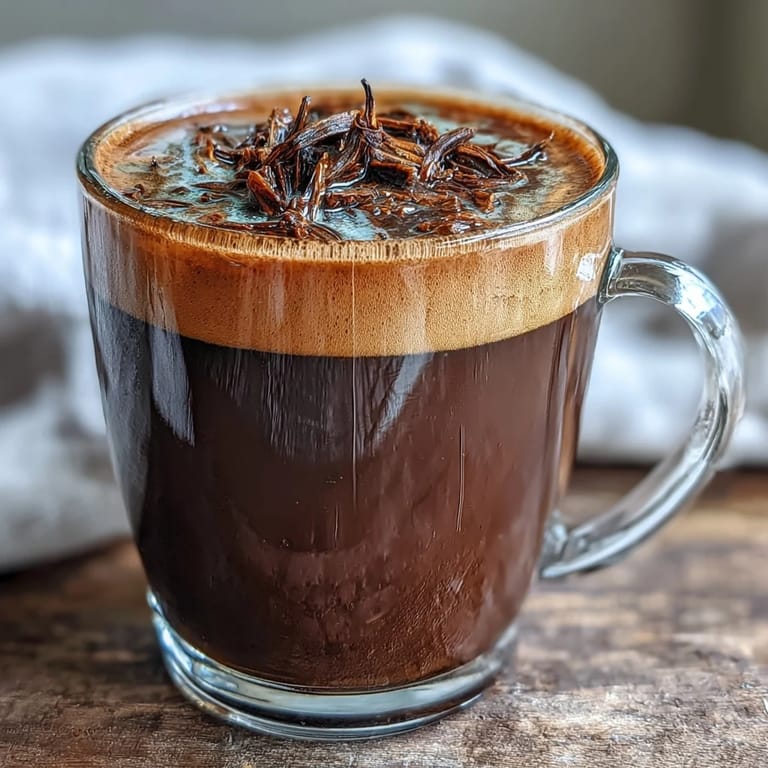
 It was a rainy Tuesday afternoon in Kyoto when I ducked into a tiny tea house to escape the downpour. The owner, an elderly woman with kind eyes, placed a steaming cup before me without asking what I wanted. That first sip of hojicha hit me with this incredible roasted warmth that felt like being wrapped in a cozy blanket. I spent the rest of my trip hunting down that distinctive toasty flavor, and now it's become my go-to afternoon ritual.
Last winter, my sister visited during a particularly stressful work week. She's not much of a tea person, always reaching for espresso, but I made her a cup of hojicha while she vented about her deadlines. She stopped mid sentence after that first sip, eyes wide, and asked what kind of magic I'd just served her. Now she texts me every time she makes it, usually with some variation of I'm still amazed this isn't coffee.
Ingredients
- Hojicha loose leaf tea: This roasted green tea is the star of the show, and I've learned that loose leaf gives you much better flavor control than tea bags
- Filtered water: Just off the boil is crucial, about 90°C works perfectly to extract those deep roasted notes without bitterness
Tired of Takeout? 🥡
Get 10 meals you can make faster than delivery arrives. Seriously.
One email. No spam. Unsubscribe anytime.
Instructions
- Heat your water to just below boiling:
- Bring your filtered water to about 90°C, or let boiling water sit for 30 seconds, then pour into your warmed teapot or mug
- Add the hojicha:
- Place your tea leaves or bag into the vessel, taking a moment to appreciate that incredible roasted aroma that rises up
- Steep with patience:
- Let it steep for 3 to 4 minutes, resisting the urge to peek, as the roasted notes need time to fully develop
- Strain and serve:
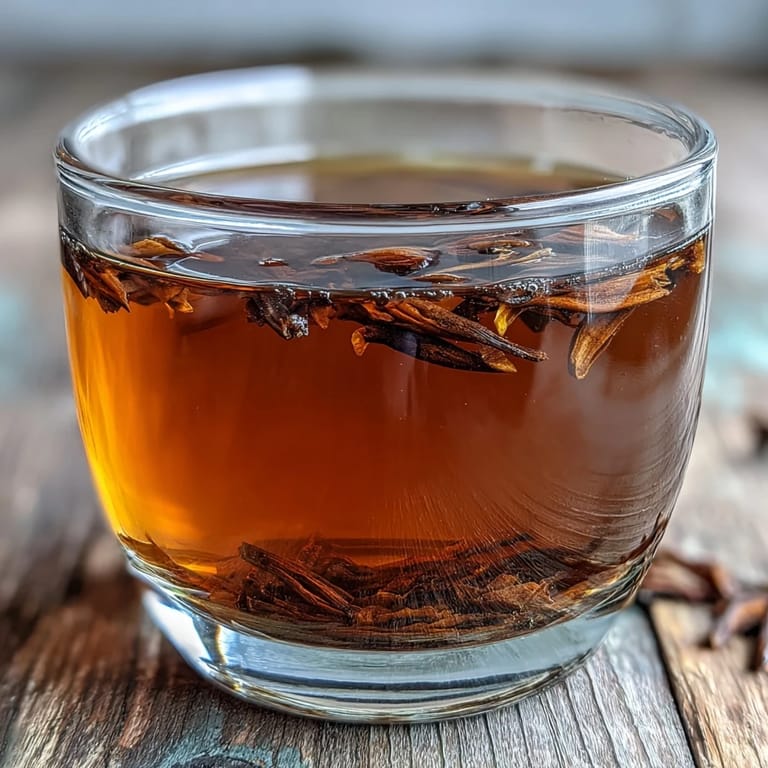
- Remove the leaves or bag, and pour that beautiful amber liquid into your favorite mug
 Save to Pinterest
 There's something almost meditative about watching the steam rise from a fresh cup, that earthy roasted scent filling the kitchen. I've started keeping a small stash at my desk for those moments when I need a pause that feels indulgent but won't keep me awake until 3 AM.
Finding Your Perfect Strength
I've discovered that everyone's ideal hojicha strength is surprisingly personal. Some days I want it bold and intense, other times I prefer something gentler and more subtle. Don't be afraid to experiment with steeping times until you find your sweet spot.
When to Enjoy
The low caffeine content makes this perfect for late afternoon or evening when regular coffee would wreck your sleep schedule. I've even started making it as a after dinner alternative to dessert.
Making It Your Own
While purists might argue, I love playing with additions that complement rather than mask the roasted notes. A splash of oat milk creates this lovely creaminess, while a touch of honey brings out the natural sweetness in the tea leaves.
- Try a drop of vanilla extract for a dessert like twist
- A pinch of sea salt can really enhance those roasted flavors
- Cold brew it overnight for a refreshing iced version
 Save to Pinterest
 Whether you're a coffee lover looking to cut back or just someone who appreciates a really good cup of tea, this might just become your new favorite ritual. Here's to finding comfort in simple, beautifully roasted things.
Recipe Questions & Answers
- → What makes hojicha different from regular green tea?
Hojicha is roasted over charcoal at high temperatures, giving it a deep toasty flavor and reddish-brown color. This roasting process reduces caffeine content while creating notes of caramel and cocoa that set it apart from steamed green teas.
- → Can I make this with tea bags instead of loose leaves?
Absolutely. Use one hojicha tea bag in place of the two teaspoons of loose leaf tea. The steeping time remains the same at 3-4 minutes for optimal flavor extraction.
- → Is this beverage suitable for evening consumption?
Yes, hojicha contains minimal caffeine compared to other teas and coffee. The roasting process naturally reduces caffeine levels, making this drink appropriate for late afternoons or evenings without disrupting sleep.
- → Can I add milk or sweeteners?
Certainly. Oat milk, soy milk, or dairy creamer create a creamy variation. Honey, maple syrup, or your preferred sweetener complement the roasted notes beautifully without overpowering the tea's natural flavors.
- → What water temperature works best for hojicha?
Water around 90°C (194°F) works perfectly—just off the boil. Boiling water can scorch the delicate roasted leaves, while water that's too cool may not fully extract the rich, toasty flavors.
- → How do I store hojicha tea leaves?
Keep hojicha in an airtight container away from light, moisture, and strong odors. The roasted leaves stay fresh for several months when stored properly in a cool, dark pantry or cupboard.