 Save to Pinterest
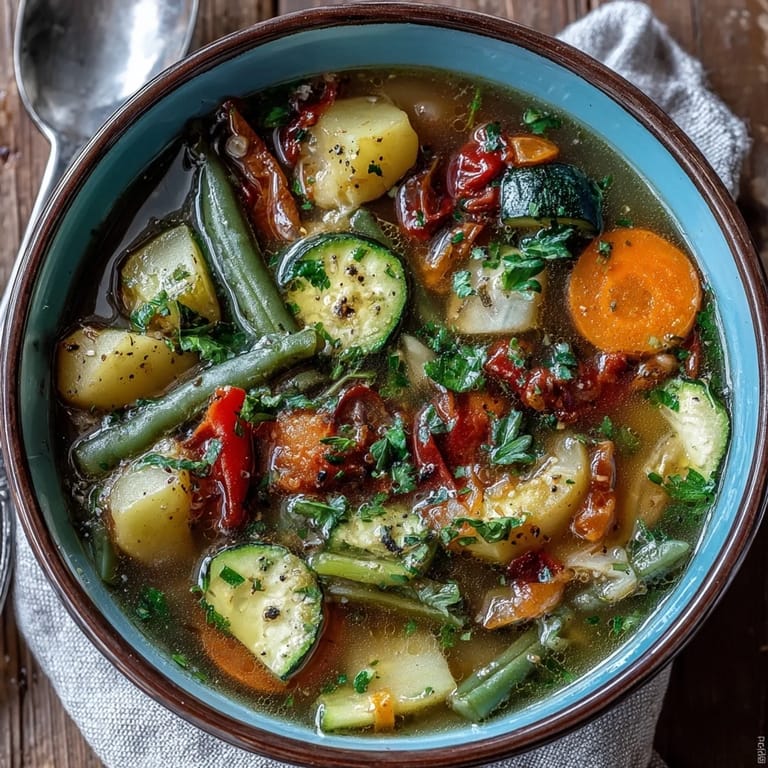
 I used to live in a drafty apartment where the windows rattled every time the wind picked up. On those rainy Tuesday nights, the only thing that could actually warm my bones was the smell of onions hitting hot olive oil. This vegetable soup became my ritual for shaking off the damp chill of the city. It is a vibrant bowl that feels like a big hug from the inside out. I never follow the measurements exactly, yet it always tastes like home.
I remember a specific evening when my neighbor stopped by with a handful of fresh herbs and a heavy heart. We sat in the kitchen as the broth bubbled away, the steam fogging up our glasses. There is something about the slow chop of carrots and celery that makes conversation flow more easily. By the time we were ladling out the soup, the mood had shifted from somber to cozy. That night taught me that a good soup is more about the company than the ingredients.
Ingredients
- 2 tablespoons olive oil: Choose a high quality oil because the fat carries all the herb flavors.
- 1 medium onion: I like to dice this very small so it melts into the background of the broth.
- 2 cloves garlic: Smash them with your knife first to release the oils before you start mincing.
- 2 medium carrots: Leaving the skins on adds a rustic texture and extra nutrients to the pot.
- 2 celery stalks: These provide the essential salty crunch that defines a good mirepoix.
- 1 medium zucchini: Add this toward the middle of cooking so it stays tender without getting mushy.
- 1 red bell pepper: This adds a surprising sweetness that balances out the acidic tomatoes.
- 1 cup green beans: Snapping these by hand is a great way to involve kids in the kitchen.
- 1 (14 oz) can diced tomatoes: The juices from the can are the secret to a rich and tangy base.
- 4 cups vegetable broth: Use a low sodium version so you can control the final salt level yourself.
- 1 medium potato: The starch from the potato naturally thickens the soup as it simmers.
- 2 cups baby spinach: These leaves should go in at the very last second to keep their color.
- Dried herbs: Rubbing the oregano, basil, thyme, and rosemary between your palms wakes up the oils.
- 1 bay leaf: Do not forget to fish this out before serving unless you want a surprise.
Tired of Takeout? 🥡
Get 10 meals you can make faster than delivery arrives. Seriously.
One email. No spam. Unsubscribe anytime.
Instructions
- Softening the aromatics:
- Begin by warming your oil and letting the onion and garlic dance in the pan until they are soft and fragrant.
- Building the base:
- Toss in your carrots, celery, zucchini, pepper, and beans to let them pick up a little golden color.
- Simmering the garden:
- Pour in the tomatoes, broth, and potatoes while stirring in that fragrant blend of Italian herbs.
- Developing the flavor:
- Let the pot bubble gently while the vegetables soften and the flavors have time to introduce themselves.
- Adding the beans:
- If you want extra protein, tip in the cannellini beans for the final few minutes of heat.
- The final wilt:
- Pull out the bay leaf and stir in the spinach until it just barely shrinks into the soup.
 Save to Pinterest
 Last winter, I made a double batch of this for a friend who was recovering from a long flu. I dropped it off in a glass jar with a loaf of crusty bread tied to the top with twine. She told me later that the first sip of the herby broth felt like her appetite finally coming back to life. It is the kind of dish that heals you when you are feeling under the weather. I still think of her every time I see a bag of fresh baby spinach.
Choosing Your Vegetables
The beauty of this recipe lies in its flexibility across the changing seasons. In the spring, I often swap the potatoes for tender asparagus tips or frozen peas. As long as you keep the base of onion and garlic, the soup will always be delicious.
The Magic of Herbs
While dried herbs are convenient, adding a handful of fresh parsley at the end makes a massive difference. The heat of the soup releases the fresh oils and creates a bright contrast to the simmered vegetables. I always keep a bunch of parsley in a glass of water on my counter for this very reason.
Storage and Reheating
This soup is even better the next day after the herbs have spent the night together in the fridge. The flavors deepen and the broth becomes slightly more concentrated.
- Let the pot cool completely to room temperature before putting it in a container.
- Use a wide mouth glass jar if you plan on freezing it for a busy week.
- Add a splash of water when reheating on the stove to bring back the original consistency.
 Save to Pinterest
 This soup is a testament to how simple ingredients can create something truly spectacular. I hope a bowl of this brings as much warmth to your table as it does to mine.
Recipe Questions & Answers
- → Can I make this soup gluten-free?
Yes, simply ensure your vegetable broth is certified gluten-free and omit any optional pasta additions. The base vegetables and herbs are naturally gluten-free.
- → How long does this soup keep in the refrigerator?
Store cooled soup in an airtight container for up to 4-5 days. The flavors often improve after a day as the herbs and vegetables meld together.
- → Can I use fresh herbs instead of dried?
Absolutely. Substitute fresh herbs at a ratio of 3:1—for example, use 1 tablespoon fresh oregano instead of 1 teaspoon dried. Add fresh herbs during the last 5 minutes of cooking to preserve their bright flavor.
- → What vegetables work well as substitutions?
Feel free to swap in seasonal vegetables like butternut squash, kale, Swiss chard, or diced eggplant. Root vegetables like parsnips or turnips also work beautifully in the simmering broth.
- → Is this suitable for meal prep and freezing?
This soup freezes exceptionally well. Cool completely, then portion into freezer-safe containers for up to 3 months. Thaw overnight in the refrigerator before reheating gently on the stovetop.