 Save to Pinterest
 The first time I made teriyaki chicken, I was trying to recreate a bowl from a restaurant near my old apartment that I'd walked past a hundred times but never entered. I grabbed whatever looked right at the grocery store, threw it all together in my tiny kitchen, and somehow ended up with something that tasted just as good as the real thing. Now it's become my go-to when I need dinner that feels special without the stress.
I made this for my roommate on a random Tuesday after he'd had the worst day at work, and watching his face light up when he took that first bite reminded me that food doesn't need an occasion to matter. He ate it straight from the bowl standing at the kitchen counter, and that moment felt like proof that sometimes the simplest things are the most nourishing.
Ingredients
- Boneless, skinless chicken thighs or breasts, 500g (1.1 lb), cut into bite-size pieces: Thighs stay more tender than breasts when cooked hot and fast, but either works; just don't skip seasoning them generously.
- Vegetable oil, 2 tbsp total: Keep the oil hot enough that the chicken sizzles immediately when it hits the pan, or it'll steam instead of sear.
- Salt and black pepper, to taste: Season the chicken before it goes into the pan, not after, so the flavors can bond.
- Soy sauce, 80 ml (1/3 cup): Check the label because some brands are saltier than others, and you might need less if yours is intense.
- Mirin, 60 ml (1/4 cup): This is the secret ingredient that makes the sauce glossy and complex; don't skip it or use something else as a substitute.
- Honey or brown sugar, 2 tbsp: Either works, though honey dissolves more smoothly and browns more beautifully.
- Rice vinegar, 1 tbsp: It cuts through the sweetness and keeps the sauce from tasting one-dimensional.
- Garlic and ginger, 2 cloves and 1 tsp: Fresh is non-negotiable here; the heat and brightness they add is what makes this taste alive.
- Cornstarch slurry, 1 tsp cornstarch mixed with 2 tsp water: This thickens the sauce so it clings to the chicken instead of running off the rice.
- Carrot, 1 medium, julienned: Cut them thin so they stay crisp and bright instead of turning mushy.
- Red bell pepper, 1, sliced: The color matters visually, but red peppers are also sweeter and less bitter than green.
- Broccoli florets, 100g (3.5 oz): Don't overcrowd the pan when stir-frying or they'll steam and lose their crunch.
- Sugar snap peas, 100g (3.5 oz): They add a subtle sweetness and a snap that makes every bite interesting.
- Cooked white or brown rice, 600g (3 cups): Warm rice is essential; cold rice will cool down the entire bowl and dull the flavors.
- Sesame seeds, 2 tbsp: Toast them lightly in a dry pan for 30 seconds before using to unlock their nuttiness.
- Spring onions, 2, thinly sliced: They add a sharp, fresh note that keeps the whole dish from feeling too heavy.
Tired of Takeout? 🥡
Get 10 meals you can make faster than delivery arrives. Seriously.
One email. No spam. Unsubscribe anytime.
Instructions
- Start the rice first:
- Get it going before you do anything else because everything else happens fast; warm rice waiting is better than cold rice playing catch-up.
- Build your sauce:
- Combine soy sauce, mirin, honey, rice vinegar, garlic, and ginger in a small saucepan and let them simmer gently over medium heat until the garlic softens and perfumes the whole sauce, about 2 minutes. Then stir in the cornstarch slurry and watch it transform from thin and loose to glossy and clingy, which should take another minute of stirring.
- Cook the chicken until it's golden:
- Heat oil in your skillet over medium-high heat until it shimmers, then add the seasoned chicken and don't touch it for a minute; let it develop a golden crust before stirring. Keep the heat high enough that you hear a consistent sizzle, and it'll be done in about 5 to 6 minutes total.
- Stir-fry the vegetables quickly:
- Add fresh oil to the same pan, then toss in your vegetables and keep moving them for about 3 to 4 minutes; they should still have some resistance when you bite them, not turn into mush.
- Bring it all together:
- Return the chicken to the pan, pour the glossy sauce over everything, and toss it all for about a minute so the sauce coats every piece and the heat brings everything to the same temperature.
- Serve it hot:
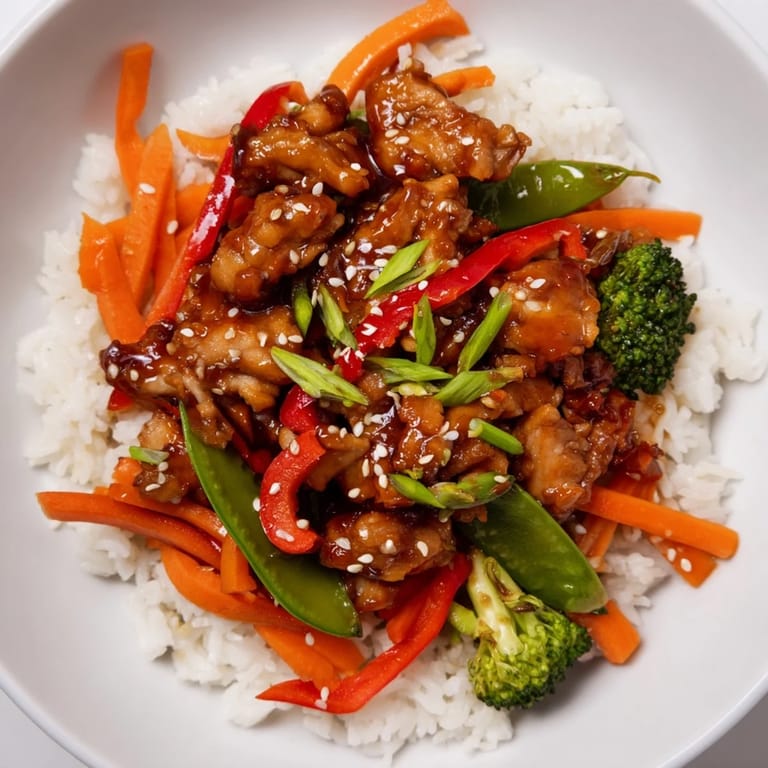
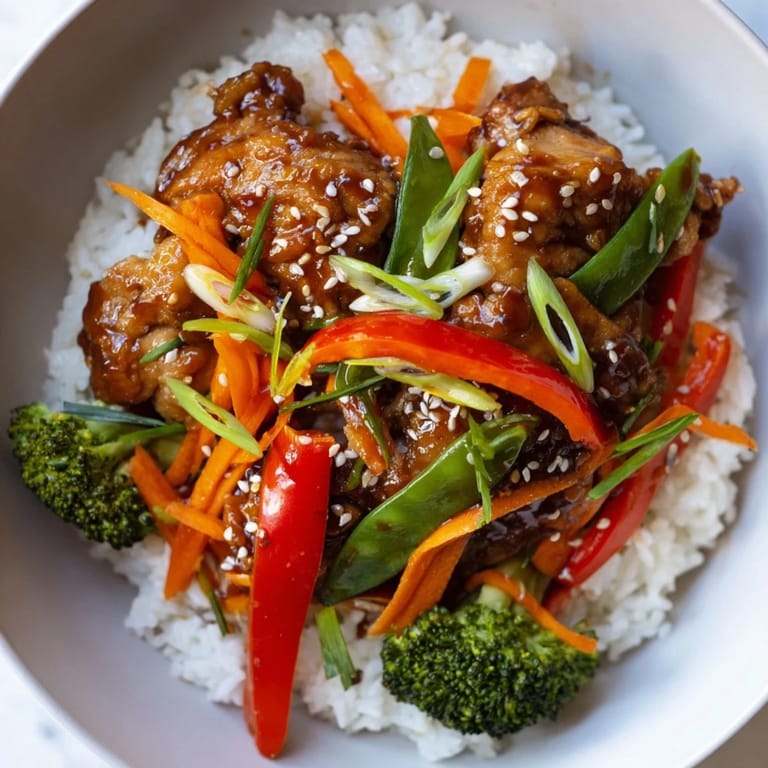
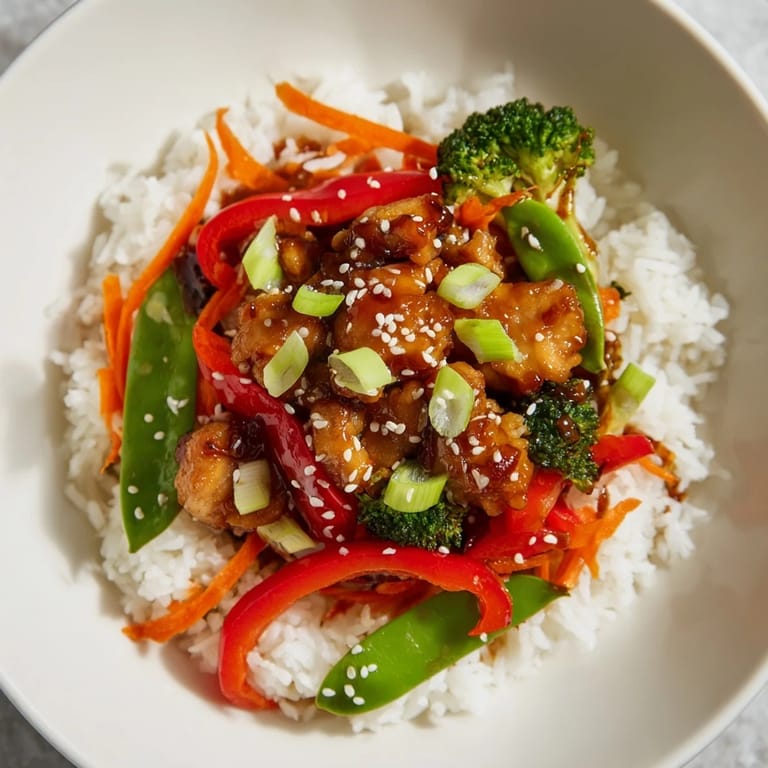
- Divide your warm rice among bowls, pile the chicken and vegetables on top, then rain down the sesame seeds and spring onions right before eating so they stay crisp and bright.
 Save to Pinterest
 I remember making this on a snowy evening when my sister was visiting, and she kept sneaking bites of the chicken straight from the pan with chopsticks while I was still cooking the vegetables. By the time we sat down, there was barely enough left to fill one proper bowl, but somehow we laughed about it more than if everything had gone perfectly to plan.
Why This Sauce Changes Everything
The magic of teriyaki isn't just in the individual ingredients; it's in how they work together to create layers of flavor that feel complex without being complicated. Soy brings salt and depth, mirin adds sweetness and shine, ginger and garlic wake everything up, and rice vinegar keeps it from tasting cloying or one-note. When you taste a spoonful before the cornstarch goes in, you'll notice it's actually not that sweet, but once it coats the hot chicken, something happens that makes your brain register it as richly savory with an undertone of brightness.
Customizing Your Bowl
The vegetables in this recipe are just a starting point, not a boundary. I've made versions with zucchini and mushrooms, and once I threw in some cashews at the end just to see what would happen, and it turned out to be exactly what I didn't know I needed. The key is keeping your total vegetable weight around the same so they finish cooking at roughly the same time, and not adding anything watery like fresh tomatoes that will make the sauce taste diluted.
Stretching This Into Tomorrow
This dish keeps beautifully in the fridge for three days, though the vegetables will eventually soften if they're stored in the sauce; I usually keep them separate and rewarm everything gently before eating. The sauce is so good that you'll find yourself spooning extra over everything, and you can even use the leftovers as a glaze for grilled fish or roasted vegetables later in the week.
- If you have leftover sauce, store it in a jar and use it on grilled tofu, roasted broccoli, or rice cakes within a few days.
- Reheat the chicken and vegetables gently in a skillet with a splash of water so they don't dry out.
- Make the sauce fresh every time if you can, because it loses some of its brightness after sitting in the fridge for more than a day or two.
 Save to Pinterest
 This bowl has become my answer to almost every question about what to cook when someone's coming over or when I need to feel like I've accomplished something in the kitchen. There's comfort in how quickly it all comes together, but also elegance in how it looks on the plate.
Recipe Questions & Answers
- → What type of chicken works best for this dish?
Boneless, skinless chicken thighs or breasts cut into bite-size pieces work well, as they cook quickly and absorb the sauce nicely.
- → How can I thicken the teriyaki sauce?
Mix cornstarch with water to create a slurry, then stir it into the simmering sauce. Cook for 1–2 minutes until it thickens.
- → Which vegetables complement the chicken bowl?
Carrots, red bell pepper, broccoli florets, and sugar snap peas offer vibrant color and crisp texture to balance the dish.
- → Can I substitute the chicken for a vegetarian option?
Firm tofu can replace chicken to create a vegetarian-friendly version while still pairing well with the teriyaki glaze and vegetables.
- → What rice types are recommended as a base?
Steamed white or brown rice both provide a neutral, fluffy base that absorbs the sauce and balances the flavors.
- → How should I season the chicken before cooking?
A simple pinch of salt and black pepper enhances the natural chicken flavor before it’s cooked in vegetable oil.